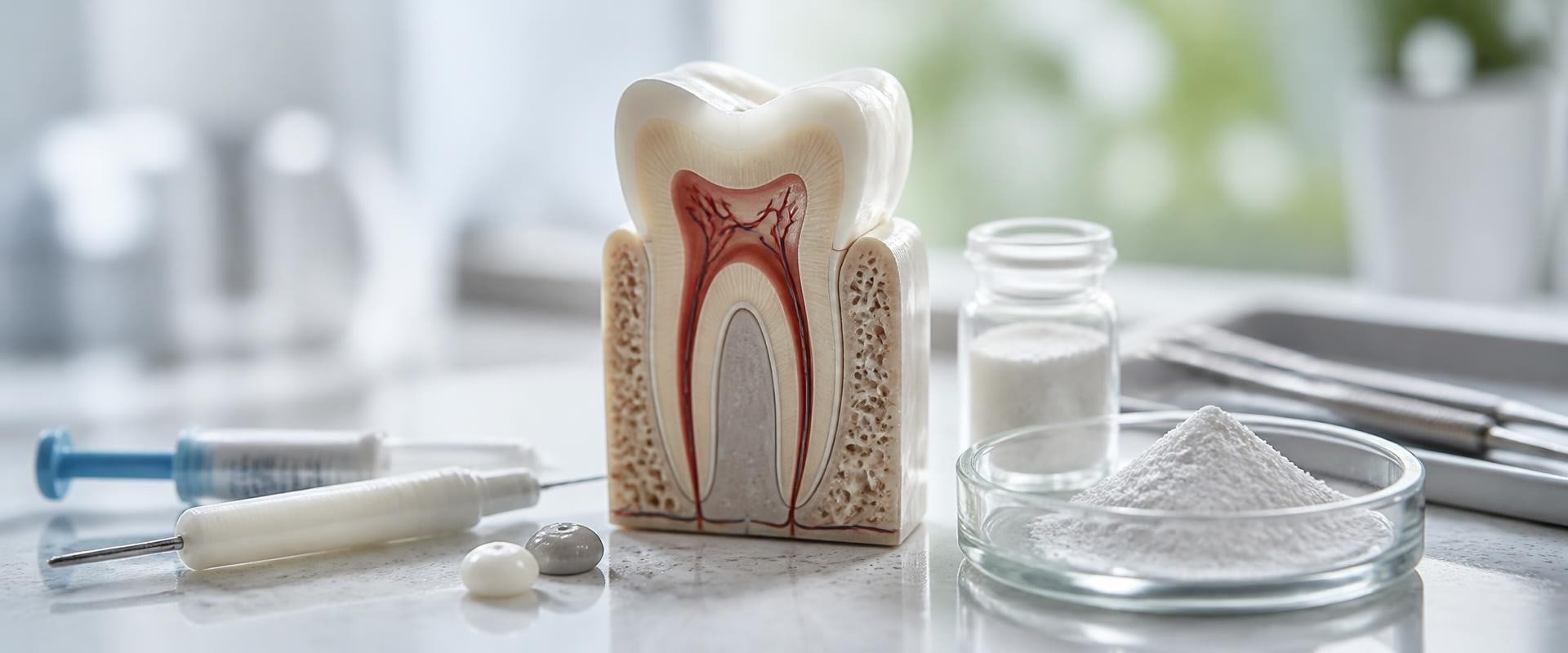
Welcome to the fascinating world of biomaterials used in endodontics, where innovation and science converge to improve dental health. At San Diego Medical Desk, we understand the importance of staying informed about the latest advancements in dental care, particularly in the specialized field of endodontics. This field focuses on diagnosing and treating diseases of the dental pulp and surrounding tissues, and the choice of biomaterials plays a crucial role in ensuring successful outcomes for patients. As dental technology continues to evolve, the materials used in endodontic procedures are becoming increasingly sophisticated. From biocompatible materials that promote healing to cutting-edge regenerative techniques, the landscape of endodontic treatment is shifting towards solutions that not only address immediate concerns but also support long-term dental health.
In this article, we will explore various biomaterials utilized in endodontics, discussing their properties, applications, and how they are revolutionizing patient care. Our aim at San Diego Medical Desk is to provide you with a comprehensive understanding of these materials and their significance in modern dentistry. Whether you are a dental professional looking to enhance your practice or a patient seeking to educate yourself about your treatment options, this exploration of biomaterials promises to be both informative and enlightening. In the realm of endodontics, the use of biomaterials has revolutionized treatment methodologies and outcomes. These materials play a crucial role in ensuring successful endodontic therapies, which involve the diagnosis and treatment of dental pulp diseases. At San Diego Medical Desk, we recognize the importance of understanding these biomaterials for informed healthcare decisions, as they significantly impact patient comfort, healing, and overall treatment success. Among the most widely used biomaterials in endodontics is gutta-percha, a natural latex product derived from the sap of the gutta-percha tree.
This material is predominantly utilized for filling root canals due to its excellent sealing properties and biocompatibility. Gutta-percha provides a stable environment that promotes healing by preventing the ingress of bacteria into the tooth structure. Despite its long-standing use, challenges remain regarding its ability to effectively bond with canal walls, leading to potential gaps that may harbor bacteria. In recent years, bioceramics have emerged as a significant advancement in endodontic treatment. These synthetic materials are composed of bioactive compounds that not only provide excellent sealing capabilities but also actively promote healing through their interaction with biological tissues.
Bioceramics have demonstrated superior properties such as low solubility, biocompatibility, and the ability to form hydroxyapatite upon contact with biological fluids. This makes them ideal for use in various applications, including root-end fillings and pulp capping procedures. Clinical studies have shown that bioceramics can enhance treatment outcomes by reducing post-operative pain and improving the success rates of endodontic treatments. Another category of synthetic biomaterials gaining popularity is resin-based sealers, which complement gutta-percha in root canal obturation. These sealers offer improved adhesion to dentin and can fill complex canal systems more effectively than traditional materials.
Their use has been linked to lower rates of endodontic failure, showcasing their benefits in modern dental practices. However, concerns regarding their long-term stability and potential cytotoxicity have been raised, necessitating further research. The landscape of endodontics continues to evolve with ongoing research focused on enhancing the properties of existing biomaterials and developing new alternatives. Recent findings suggest that incorporating nanotechnology into biomaterials can improve their mechanical strength and antibacterial properties. For instance, nanoparticles can be added to gutta-percha or bioceramics to enhance their performance, leading to better sealing capabilities and reduced microbial colonization. Despite the advantages offered by these advanced materials, it is essential to address potential criticisms regarding their use in clinical settings.
Some practitioners express concerns about the cost-effectiveness of newer biomaterials compared to traditional options like gutta-percha. Additionally, there is ongoing debate about the long-term effects of certain synthetic materials on oral health. Balancing innovation with practicality remains a crucial aspect of integrating these biomaterials into routine dental care. In conclusion, understanding the various types of biomaterials used in endodontics is vital for both practitioners and patients alike. As we continue to explore advancements in this field, resources like San Diego Medical Desk serve as valuable guides for individuals seeking information on healthcare options within endodontics.
The role of biomaterials not only enhances treatment outcomes but also promotes patient comfort and healing, making them an indispensable component of modern dental practices.
Benefits of Advanced Biomaterials
In the realm of endodontics, the integration of advanced biomaterials has revolutionized treatment methodologies and outcomes. These cutting-edge materials play a pivotal role in enhancing the efficacy of root canal procedures and overall dental health.Biomaterials used in endodontics
contribute significantly to better clinical outcomes by providing superior sealing properties, biocompatibility, and regenerative capabilities. This is crucial for preventing reinfection and ensuring successful healing after treatment. Moreover, patients experience less discomfort and faster recovery times thanks to these innovative materials.The use of biomaterials that mimic natural tooth structure can lead to improved patient satisfaction, as they often result in less post-operative pain and a quicker return to normal activities. In this context, San Diego Medical Desk serves as an invaluable resource for those seeking information on these advancements, helping individuals make informed healthcare decisions regarding endodontic treatments. Additionally, advanced biomaterials can enhance the longevity of dental restorations, thereby reducing the need for future interventions. This not only benefits patients through cost savings but also improves their overall dental health in the long term. Understanding the advantages of these materials is essential for both practitioners and patients alike, as it underscores the importance of selecting the right options for effective endodontic care.
Future Trends in Biomaterial Research
As the field of endodontics evolves, biomaterials play a critical role in shaping the future of dental treatments.Ongoing research is focused on developing new materials that not only enhance the effectiveness of root canal therapies but also improve patient outcomes. Innovations such as biodegradable materials and bioactive agents are at the forefront of this research, aiming to promote healing and regeneration within the dental pulp. One significant area of exploration is the use of nanotechnology in biomaterials. Researchers are investigating how nanomaterials can enhance the mechanical properties and biological compatibility of endodontic treatments. These advancements may lead to materials that can better resist fracture and provide superior sealing capabilities, ultimately reducing the risk of treatment failure. Additionally, the integration of smart materials that respond to environmental changes within the tooth structure is becoming a reality.
Such materials could potentially release therapeutic agents in response to infection or inflammation, providing a more proactive approach to endodontic care. San Diego Medical Desk remains a valuable resource for individuals interested in staying informed about these advancements in endodontics. Understanding these trends is essential for making informed healthcare decisions and ensuring that patients receive the most effective treatments available. Moreover, collaboration between researchers and dental practitioners is crucial in translating these innovations from the lab to clinical practice. As we look to the future, it is clear that ongoing research into biomaterials will continue to drive improvements in endodontic therapy, offering hope for enhanced patient care and outcomes.
Challenges and Considerations
While biomaterials used in endodontics have revolutionized the field, offering numerous benefits for tooth preservation and patient outcomes, there are notable challenges and considerations that practitioners must keep in mind.San Diego Medical Desk
serves as a valuable resource for individuals seeking to understand these complexities, providing insights into the various materials utilized in modern dental practices. One significant limitation of certain biomaterials is their biocompatibility.While many materials are designed to integrate seamlessly with the body's tissues, some may provoke an inflammatory response or fail to promote adequate healing. This can lead to complications such as infection or delayed recovery, ultimately affecting the success of the endodontic procedure. Another consideration is the mechanical properties of biomaterials. Some materials may not possess the necessary strength or durability required for specific endodontic applications. For instance, if a material is too brittle, it may fracture under pressure, compromising the integrity of the tooth and necessitating further treatment. Additionally, the long-term stability of biomaterials can vary significantly.
Some materials may degrade over time or lose their effectiveness, which could lead to complications years after an endodontic procedure has been performed. Understanding these limitations is crucial for both dentists and patients when making informed healthcare decisions regarding endodontic treatments. Furthermore, the cost associated with advanced biomaterials can also pose a challenge. While newer materials may offer enhanced benefits, they often come at a premium price. This can impact accessibility for some patients, making it essential for practitioners to weigh the benefits against the costs when selecting appropriate materials for treatment. In conclusion, while biomaterials used in endodontics play a vital role in enhancing dental care, it is important to recognize their limitations and challenges.
Through resources like San Diego Medical Desk, patients can better navigate these considerations, ensuring they receive the most effective and suitable endodontic care available.
Types of Biomaterials Used in Endodontics
In the field of endodontics, the selection of biomaterials is crucial for successful treatment outcomes. As patients and practitioners alike seek reliable information on healthcare options, San Diego Medical Desk serves as a valuable resource, providing insights into the various materials that can be employed in root canal procedures and other endodontic therapies. Understanding these materials is essential for making informed decisions regarding dental care. The main categories of biomaterials used in endodontics can be broadly classified into natural and synthetic options, each with its own specific applications.Natural Biomaterials
often include materials derived from biological sources. For instance, calcium silicate, often found in mineral trioxide aggregate (MTA), is widely used due to its biocompatibility and ability to promote healing.Other natural materials like collagen and chitosan have also been explored for their potential in tissue regeneration and their favorable interactions with biological tissues. On the other hand, Synthetic Biomaterials are engineered to enhance performance and usability in clinical settings. For example, bioceramics, which are made from inorganic materials, have gained popularity for their mechanical strength and adaptability. Additionally, resin-based materials, such as epoxy resins, are frequently utilized for their sealing properties in root canal fillings. These synthetic options not only provide excellent durability but also improve the overall efficacy of endodontic treatments. The choice between natural and synthetic biomaterials often depends on the specific clinical scenario, including factors such as the extent of the damage, the type of procedure being performed, and patient-specific considerations.
As advancements continue in the field of endodontics, understanding the characteristics and applications of these biomaterials remains imperative for both practitioners and patients seeking optimal dental care solutions. As you explore your options in endodontics, remember that San Diego Medical Desk is here to help guide you through your healthcare decisions by providing organized and comprehensive information about local providers and treatments available. In conclusion, this article has delved into the multifaceted world of biomaterials used in endodontics, highlighting their various types, benefits, challenges, and future trends. Understanding these materials is crucial for both dental professionals and patients alike, as it plays a significant role in ensuring successful treatment outcomes and overall oral health. The advancements in biomaterials not only improve the efficiency of endodontic procedures but also enhance patient comfort and recovery. As you navigate your options for endodontic care, it is essential to stay informed about the latest developments in biomaterials. Resources like San Diego Medical Desk serve as invaluable tools for individuals seeking comprehensive information on local healthcare providers specializing in endodontics.
By utilizing these resources, you can make well-informed healthcare decisions that align with your needs.